Candy Cane Christmas Card: A Designer’s Review
As an embroidery designer who has spent countless hours digitizing, testing, and critiquing machine embroidery design files, I approach every new asset with a mix of curiosity and skepticism. We all know the holiday season is saturated with red and green motifs, but finding a design that balances festive charm with technical stitchability is rare. Recently, I evaluated the Candy Cane Christmas Card design, categorized under Illustrations, to determine if it holds up in real-world production. This isn’t just about whether it looks cute on a screen; it is about how it performs under the needle, how it translates to fabric, and whether it adds genuine value to a craft business or handmade portfolio.
First Impressions and Visual Personality
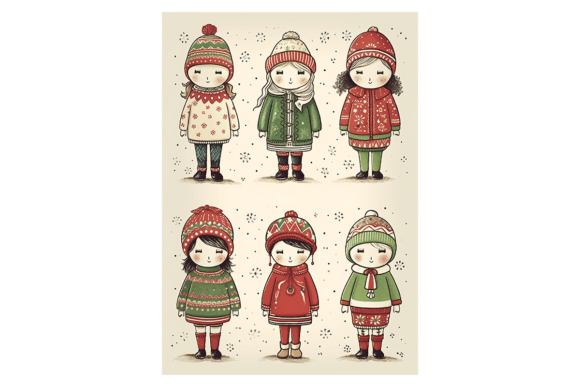
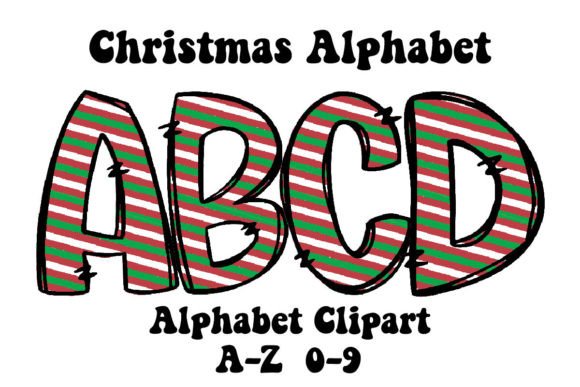
The first thing that strikes you about the Candy Cane Christmas Card is its nostalgic yet clean aesthetic. It doesn’t rely on overly complex shading or chaotic details, which is a relief for anyone who has struggled with thread breaks on dense, intricate holiday graphics. The layout suggests a classic holiday greeting card vibe, likely featuring bold lines and recognizable seasonal iconography. For an embroidery project, this visual clarity is crucial. When a customer sees a design from three feet away—say, on a market stall table or in a social media thumbnail—they need to instantly recognize the theme. This design achieves that immediate recognition without sacrificing artistic integrity.
The mood it creates is warm and inviting, perfect for the holiday rush. However, as designers, we must look past the pretty preview images. The true test is in the stitch path. Does the flow of the design allow for smooth machine operation? Based on its illustration style, one can anticipate a mix of satin stitch borders for definition and potentially fill stitch areas for broader color blocks. This combination is ideal for maintaining shape integrity while keeping the texture appealing to the touch.
Real-World Application: From Screen to Stitch
To truly evaluate this asset, I imagined applying it to several common products I produce for my Etsy seller clients and personal shop. The most natural fit for the Candy Cane Christmas Card is undoubtedly a holiday-themed tote bag design. Canvas totes provide a stable, medium-weight surface that handles moderate stitch density well. The design’s likely horizontal or square orientation fits perfectly on the front panel of a standard tote, creating a standout personalized gift item.
I also considered its use in sweatshirt embroidery. Holiday loungewear is a massive market segment. Placing this design on the left chest of a crewneck sweatshirt offers a subtle, professional look, while scaling it up for the back creates a bold statement piece. The key here is ensuring the thread colors contrast sufficiently against heather gray or navy fabrics. If the design relies heavily on white or light pink candy cane stripes, a dark background might require an underlay or a slight adjustment in brightness to prevent the design from getting lost.
Another viable application is in baby embroidery projects, such as onesies or burp cloths. Parents love festive, soft aesthetics for their little ones during December. However, this requires careful scrutiny of the design’s size. If the Candy Cane Christmas Card includes tiny text or intricate corner details, these might not hold up on small hoops or stretchy knit fabrics. For baby items, simplicity is king, so ensuring the design isn’t too dense is vital for comfort and durability.
Technical Considerations and Fabric Compatibility
While the design is visually appealing, practical execution demands attention to detail. One area where caution is needed is with textured fabrics like terry cloth towels or fluffy fleece. If the Candy Cane Christmas Card features fine running stitch details or thin lines, they may sink into the pile of the fabric, becoming invisible. In such cases, using a topping stabilizer is non-negotiable. This clear film keeps the stitches on the surface, ensuring the crispness of the illustration remains intact.
Similarly, when working with stretchy fabric like jersey knits for t-shirts, the stability of the hoop becomes critical. A design with high stitch density can cause puckering if not properly stabilized. I always recommend testing the design on scrap fabric of the same type before committing to the final finished product. This allows you to adjust tension and check for any pulling or distortion. For curved surfaces like caps, the design’s width must be checked against the cap’s seam structure. If the Candy Cane Christmas Card is too wide, it might wrap around the curve awkwardly, distorting the image.
Dark fabrics present another challenge. If the design uses light thread colors, the underlying fabric color can show through gaps in the stitching. A proper underlay stitch pattern is essential here. If you are unsure about the digitizing quality regarding underlays, running a test on black fabric will quickly reveal any transparency issues. This step saves time and materials, preventing the frustration of unraveling a poorly stitched embroidered patch or garment.
Enhancing Brand Value and Customer Trust
For small shop product owners, the quality of your design assets directly impacts your brand perception. Using a well-digitized file like the Candy Cane Christmas Card signals professionalism. Customers can tell the difference between a jagged, poorly optimized design and one that flows smoothly. Clean edges and consistent fill patterns build trust. When a buyer receives a custom apparel item that looks polished and durable, they are more likely to leave positive reviews and return for future purchases.
Moreover, this design fits seamlessly into a cohesive holiday collection. If you are creating a line of holiday embroidery goods, consistency in style is key. The illustrative nature of this design allows it to pair well with other graphic elements, creating a unified look across different products. Whether used on aprons for kitchen gifts or pillow covers for home decor, the design maintains its visual appeal, enhancing the overall perceived value of the item.
Practical Notes for Designers and Makers
Before you purchase or download this digital embroidery file, there are several steps you should take to ensure success. First, verify the available hoop size options. Ensure the design fits within your machine’s maximum hoop dimensions without requiring excessive resizing, which can distort stitch density. Second, check the license terms. If you plan to use this for commercial embroidery sales, confirm that the license allows for finished product sales. Some designers restrict the number of units you can sell, so clarity here is essential for legal compliance.
- Test on Scrap Fabric: Always run a test stitch-out on the actual fabric you intend to use. This reveals tension issues and color contrasts.
- Check Thread Contrast: Use a color chart to simulate how the design looks on different fabric backgrounds. High contrast is key for visibility.
- Review Stitch Density: Look at the stitch count relative to the size. Too dense, and it becomes stiff; too sparse, and the fabric shows through.
- Inspect Small Details: Zoom in on the digital preview. Are there tiny elements that might break or get lost? Simplify if necessary.
- Use Proper Stabilizer: Match your stabilizer to the fabric weight. Cut-away for knits, tear-away for wovens, and topping for textured surfaces.
In conclusion, the Candy Cane Christmas Card offers a charming and versatile option for holiday projects. Its strength lies in its clear, illustrative style that translates well to various mediums, from tote bags to sweatshirts. By paying attention to technical details like stabilizer choice, fabric compatibility, and stitch density, you can leverage this design to create high-quality, profitable items. For any creative entrepreneur looking to expand their holiday offerings, this design is a solid candidate, provided it is executed with the care and precision that professional embroidery demands.