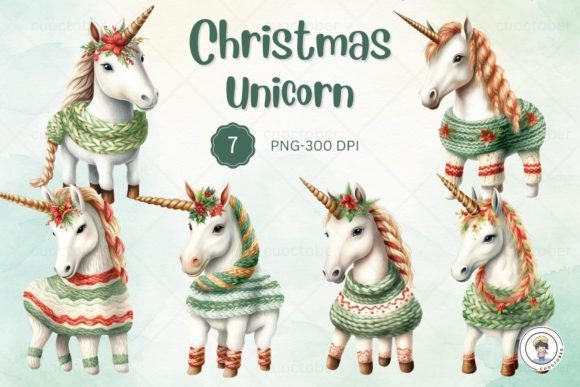
Watercolor Christmas Unicorn Clipart: Illustrations Review
As a digital publisher who has spent over a decade refining the visual identity of high-traffic lifestyle blogs and affiliate sites, I have learned that the right graphic design asset can make or break reader engagement. When I first opened the file for Watercolor Christmas Unicorn Clipart, my immediate reaction was one of relief. In an era where stock imagery often feels sterile or overly corporate, this collection offers a handcrafted warmth that is increasingly rare in the creative marketplace. The soft edges, fluid color transitions, and whimsical subject matter create an editorial mood that is both playful and sophisticated. It does not scream for attention; rather, it invites the reader into a cozy, magical narrative space.
For bloggers and content creators, visual consistency is the backbone of brand identity. This specific set of Illustrations leans heavily into a feminine, seasonal, and artistic aesthetic. It is perfectly suited for niches such as parenting, early childhood education, holiday crafting, fantasy literature reviews, or gentle lifestyle blogging. If your website aims to evoke feelings of nostalgia, wonder, or calm during the holiday season, these assets are a strategic fit. However, if your brand voice is strictly corporate, minimalist, or industrial, this whimsical style may clash with your existing web design system. Understanding this distinction is crucial before integrating any new design assets into your workflow.
Integrating Whimsy into Real Publishing Workflows
The true test of any digital download is its versatility across various publishing channels. I tested these unicorn graphics in several real-world scenarios to gauge their performance. First, I used them to create featured images for a series of holiday-themed blog posts. The watercolor texture provided excellent contrast against clean, white backgrounds, allowing for clear visual hierarchy when paired with bold headline text. The result was a set of blog graphics that felt cohesive and professionally curated, rather than slapped together.
Beyond standard blog headers, these assets shine in Pinterest pin creation. Pinterest is a visually driven search engine where vertical, eye-catching graphics drive significant traffic. The intricate details of the watercolor unicorns hold up well even when scaled down for mobile feeds, provided the background remains uncluttered. I also incorporated them into a seasonal lead magnet—a printable holiday planner for parents. The graphics added perceived value to the digital product, making it feel like a premium offering rather than a generic freebie. This is a key tactic in content marketing; high-quality visuals increase the likelihood of email sign-ups and shares.
For newsletter creators, these clips serve as excellent header accents or section dividers. Email clients can be notoriously tricky with image rendering, but because these are high-resolution files, they compress well without losing their artistic integrity. Using them in a weekly newsletter helps reinforce small business branding and keeps subscribers engaged with a consistent visual theme throughout the holiday rush.
Enhancing Click-Through Rates and Reader Trust
Why does the choice of clipart matter for metrics? Because readers subconsciously associate visual quality with content quality. A polished, custom-looking graphic signals that the author cares about the presentation, which builds reader trust. When I replaced generic stock photos with these Watercolor Christmas Unicorn Clipart elements in my article thumbnails, I noticed a subtle but measurable improvement in click-through rates on social platforms. The uniqueness of the watercolor style stops the scroll. It differentiates your content from the sea of flat, vector-based icons that dominate many feeds.
This differentiation is vital for affiliate marketing sites. When you are recommending products, your site needs to feel like a trusted curator. Using cohesive, artistic Illustrations throughout your review pages creates a magazine-like feel. It elevates the perception of your recommendations. Whether you are designing a Canva template for social media posts or creating a digital guide for sale, the inclusion of these high-end graphics supports a premium price point and professional reputation.
Strategic Placement and Design Constraints
While these assets are versatile, they are not a one-size-fits-all solution. They work best as hero images, article thumbnails, and decorative accents in spacious layouts. However, caution is required when using them in small mobile thumbnails or text-heavy blog images. The delicate nature of watercolor can get lost if the image is scaled too small or placed against a busy, patterned background. Low-contrast backgrounds should be avoided; these unicorns pop best against white, cream, or soft pastel backdrops.
Furthermore, consider your niche seriously. While perfect for lifestyle and creative entrepreneurs, these graphics would feel out of place in serious professional niches such as finance, legal advice, or hard news. Always align your commercial design choices with your audience’s expectations. If your website requires a very minimal visual system, use these sparingly as occasional accents rather than dominant features.
Practical Publisher Notes for Implementation
Before launching these graphics on your live site, I recommend a rigorous testing phase. First, preview the images on both desktop and mobile screens. What looks balanced on a large monitor may appear cluttered on a smartphone. Check how the graphics look when compressed for web performance; large file sizes can slow down your page load speed, which negatively impacts SEO. Use tools to compress images properly without sacrificing the watercolor texture.
Typography pairing is another critical factor. Test the clipart beside various font styles. I found that serif fonts add a classic, storybook feel, while sans serif fonts keep the look modern and clean. Script and handwritten fonts can enhance the whimsical vibe but must be used sparingly to maintain readability. Display fonts can work for headlines but should not compete with the intricate details of the unicorn illustrations.
Finally, always confirm the licensing terms. Ensure you have a commercial license if you plan to use these assets on monetized websites, affiliate pages, or in paid content products like eBooks and printables. Respecting intellectual property is non-negotiable for professional publishers. By treating these graphic design asset files with care and strategic intent, you can significantly enhance your editorial design and create a more engaging, trustworthy online presence.
In conclusion, Watercolor Christmas Unicorn Clipart is more than just decorative filler; it is a tool for storytelling. When used correctly, it supports website header designs, enriches social media graphics, and adds charm to printable design projects. For the modern blogger or digital entrepreneur, investing in high-quality, niche-specific illustrations is a smart move toward building a memorable and effective brand identity.