Watercolor Christmas Collection ClipArt Review
As a designer who has spent countless hours digitizing and stitching out holiday motifs, I approach every new asset with a mix of excitement and skepticism. The Watercolor Christmas Collection ClipArt promises a soft, artistic aesthetic that stands in stark contrast to the rigid, geometric lines we often see in traditional machine embroidery. After reviewing these Illustrations with a critical eye toward real-world application, I can say they offer a unique opportunity for makers, but they require a thoughtful approach to translation from screen to stitch.
The First Impression: Mood and Visual Personality
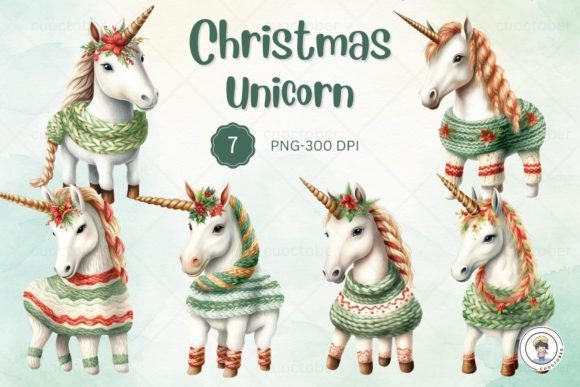
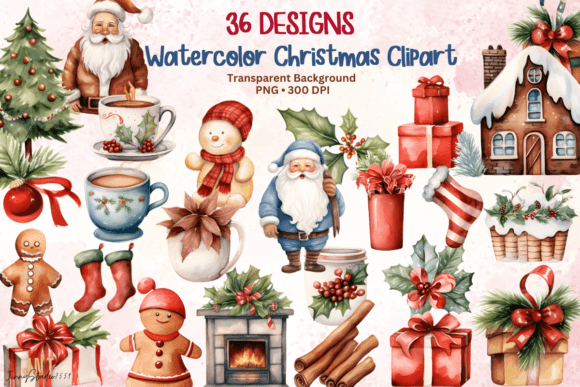
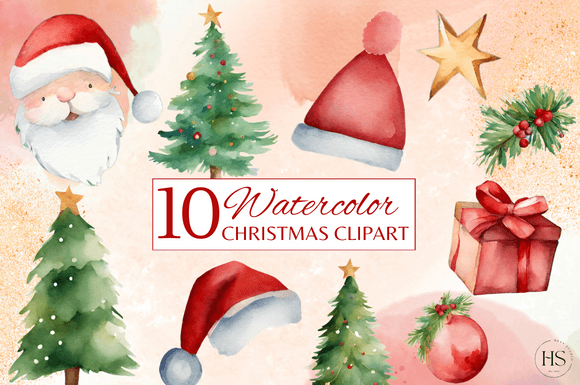
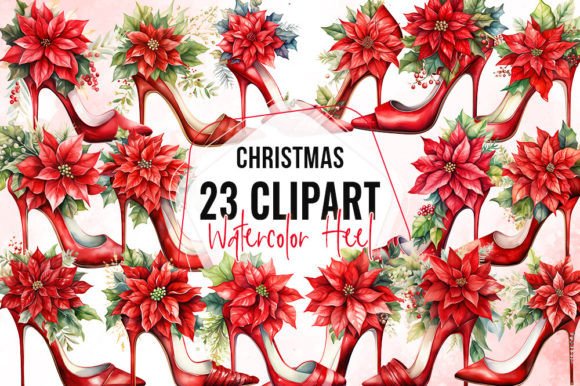
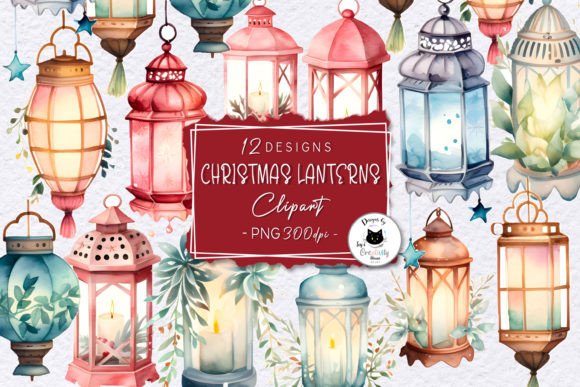
The immediate appeal of the Watercolor Christmas Collection ClipArt lies in its atmospheric quality. Unlike standard vector graphics that rely on hard edges and solid fills, these designs mimic the fluid, organic bleed of watercolor paints. The mood is nostalgic, warm, and slightly whimsical. For an embroidery designer, this presents both a challenge and a creative spark. The lack of harsh outlines means the design relies heavily on color blending and texture to define its shape.
When I first opened the files, I noticed the subtle gradients in the greens of the wreaths and the soft reds of the berries. This visual personality suggests that these designs are not meant for high-contrast, industrial-looking apparel. Instead, they belong on items that evoke comfort and tradition. Think linen tea towels, heavy cotton tote bags, or soft fleece blankets. The design assets feel less like corporate branding and more like a handwritten holiday card, which is exactly the vibe many modern craft businesses are trying to capture.
Real-World Application: From Screen to Stitch
To truly evaluate the Watercolor Christmas Collection ClipArt, I imagined a specific project: a custom embroidered tote bag for a local boutique’s holiday gift-with-purchase campaign. The goal was to create a handmade product that felt upscale yet accessible. Here is how the design holds up in practical scenarios.
For sweatshirt embroidery, the soft edges of the watercolor style work beautifully against the textured surface of French terry or fleece. A rigid, satin-stitch-heavy design can sometimes look too stiff on cozy fabrics, but the organic flow of these Illustrations complements the material. If you are creating a personalized gift like a baby onesie, the gentle aesthetic is perfect. However, you must be mindful of stitch density. Watercolor effects often require complex fill stitches to mimic shading. On stretchy baby fabric, too much density can cause puckering, so testing on scrap fabric is non-negotiable.
In the context of commercial embroidery, these designs can elevate your Etsy seller profile. Customers are increasingly drawn to unique, artistic touches that differentiate mass-produced items from small shop products. Using the Watercolor Christmas Collection ClipArt on a tote bag design or a set of kitchen linens can justify a higher price point because the finished product looks like a piece of art rather than a generic logo.
Navigating Technical Challenges
While the aesthetic is stunning, translating watercolor into thread is not straightforward. Embroidery machines operate in dots and lines, not fluid washes. Therefore, the success of your embroidery project depends on how well the digital file has been digitized or how carefully you adapt it.
- Fabric Texture and Color: These designs shine on light-colored, smooth fabrics like cotton poplin or linen. On dark fabric, the subtle pastel tones of watercolor may get lost unless you use a white underlay or choose brighter thread colors. Always test your thread colors against your background fabric.
- Stitch Types: To achieve the watercolor look, the design likely utilizes a mix of fill stitch patterns with varying densities. Avoid using satin stitch for large areas unless it is broken up, as long satin stitches can snag easily. A running stitch might be used for delicate outlines, but ensure it is secure enough to withstand washing.
- Hoop Size and Detail: If you are working with a small hoop size, such as a 4x4 inch hoop for an embroidered patch or a cap, check the tiny details. Watercolor styles often have fuzzy edges that can become muddy when stitched out at a small scale. Ensure the key elements remain distinct.
- Stabilizer Selection: Because watercolor designs can be dense, using the correct stabilizer is crucial. A cut-away stabilizer is often best for garments that will be washed frequently, while tear-away might suffice for decorative home decor items that see less wear.
Strategic Use for Craft Businesses
For creative entrepreneurs and apparel decorators, the Watercolor Christmas Collection ClipArt is a versatile tool for holiday embroidery collections. It fits seamlessly into niches like nursery decor, wedding gifts, and boutique branding. The softness of the design appeals to customers looking for elegance over flashiness.
However, there are places where you should use caution. Avoid using these intricate designs on highly textured fabrics like thick wool coats or rough burlap, as the fabric texture can interfere with the clarity of the stitch work. Similarly, be careful with curved surfaces like caps. The distortion caused by the curve can warp the delicate gradients of the watercolor effect. In such cases, simplifying the design or using an applique design technique with actual fabric layers might yield a cleaner result than stitching alone.
When creating printable mockups for your online store, remember that the digital preview may look smoother than the stitched reality. Be honest in your product descriptions about the textured nature of embroidery. This builds customer trust and manages expectations. A well-executed finished product that matches the mockup in spirit, if not in pixel-perfect precision, leads to better reviews and repeat business.
Practical Designer Notes
Before you commit to a large production run or list a new item in your craft business, follow these practical steps:
- Test on Scrap Fabric: Never skip this step. Stitch the design on the exact fabric you plan to use for the final product. Check for puckering, thread breaks, and color accuracy.
- Check Licensing: Confirm the license terms for the Watercolor Christmas Collection ClipArt. Ensure you are allowed to use the designs for commercial purposes if you plan to sell the finished product or the digital embroidery file.
- Contrast Check: View your design in black and white. If the details disappear, you may need to adjust thread colors or simplify the design for better visibility.
- Wash Test: Wash and dry your test piece. Watercolor designs often use many thread changes and densities. Ensure the stitches hold up and the fabric does not distort after laundering.
In conclusion, the Watercolor Christmas Collection ClipArt is a valuable addition to any designer’s library, provided it is used with intention. It brings a soft, artistic touch to custom apparel and home goods that rigid vectors cannot match. By respecting the technical limitations of embroidery and understanding the mood of the design, you can create stunning, high-value items that resonate with customers. Whether you are an experienced Etsy seller or a hobbyist making gifts for friends, these Illustrations offer a pathway to creating truly memorable holiday pieces.