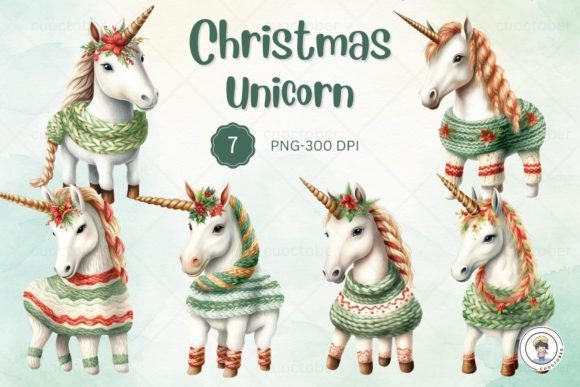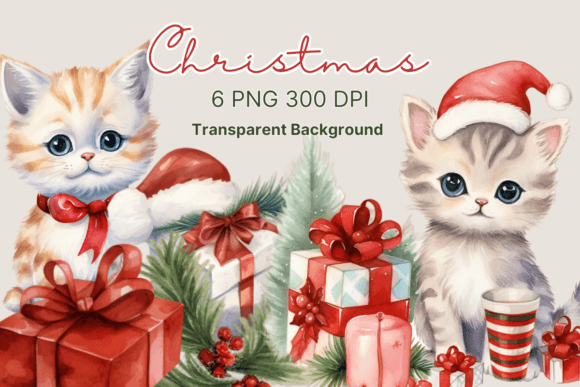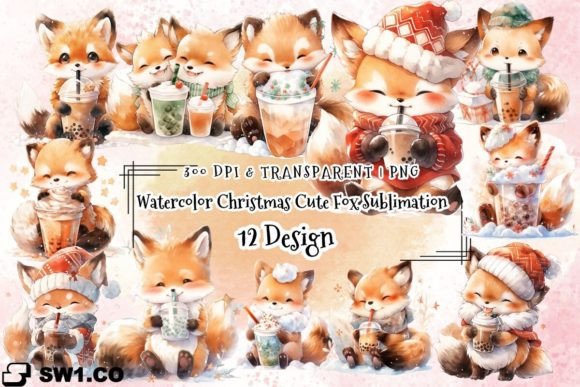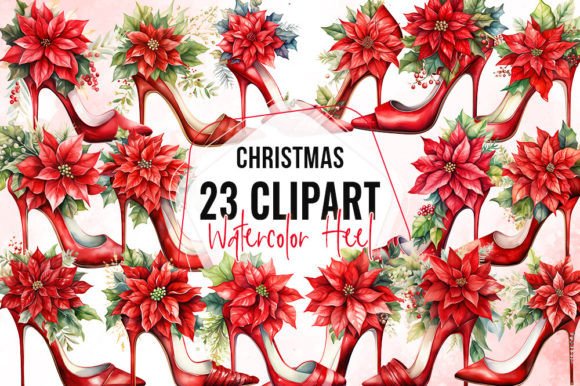
Watercolor Christmas Teddy Bears Clipart & Illustrations
As a digital publisher who has spent over a decade refining the visual identity of high-traffic lifestyle blogs, I have learned that the difference between a bounce and a conversion often comes down to milliseconds of visual processing. When I first opened the file package for Watercolor Christmas Teddy Bears Clipart, my immediate reaction was not just about cuteness; it was about utility. In the crowded space of holiday content, where every affiliate marketer and blogger is vying for attention on Pinterest and social feeds, you need assets that stop the scroll without sacrificing professional polish. This collection does exactly that, bridging the gap between whimsical charm and editorial sophistication.
Setting the Editorial Mood and Reader Perception
The first thing you notice about these Illustrations is their texture. Unlike flat vector graphics that can sometimes feel sterile or overly corporate, these watercolor bears possess a soft, organic quality. The bleeding edges of the paint and the subtle variations in tone create a mood that is inherently warm, nostalgic, and inviting. For a blog designer, this is gold. It signals to the reader that the content they are about to consume is human-centric, thoughtful, and likely focused on comfort, family, or DIY creativity.
This aesthetic naturally supports niches such as parenting, home decor, seasonal recipes, and handmade gift guides. It feels less like a hard sell and more like a friendly recommendation from a trusted peer. When you integrate Watercolor Christmas Teddy Bears Clipart into your brand identity, you are subtly communicating values of warmth and tradition. This is crucial for building reader trust, especially during the high-pressure holiday shopping season when audiences are fatigued by aggressive advertising.
Real-World Publishing Applications
Let’s move beyond theory and look at how this graphic design asset functions in a real publishing workflow. I tested these images across several key touchpoints in a standard content marketing funnel.
- Pinterest Pins: This is arguably the strongest use case. The vertical orientation of many pin designs benefits from the soft, flowing nature of watercolor. Placing a teddy bear illustration alongside bold, sans-serif headline text creates a beautiful contrast that improves click-through potential.
- Blog Featured Images: For article headers, these clips serve as excellent focal points. They draw the eye immediately, establishing a clear visual hierarchy before the reader even processes the title.
- Newsletter Graphics: Email open rates are heavily influenced by preview text and imagery. Using these bears in your holiday newsletter banners can increase engagement by making the email feel like a personal greeting rather than a bulk broadcast.
- Digital Products and Lead Magnets: If you are creating a digital guide on holiday planning or a printable checklist for gift wrapping, these elements add perceived value. They transform a simple PDF into a polished, professional-looking resource that subscribers are eager to download.
Enhancing Content Performance and Visual Identity
Consistency is the cornerstone of successful small business branding. By using a cohesive set of design assets like this throughout your site, you create a recognizable visual language. When a user sees a watercolor bear, they should instantly associate it with your specific brand of holiday content. This recognition reduces cognitive load and encourages deeper site exploration.
Furthermore, these assets support better content performance by breaking up text-heavy layouts. In long-form articles, such as comprehensive gift guides or tutorial posts, inserting these illustrations as section dividers or sidebar accents keeps the reader engaged. It prevents the "wall of text" effect that often leads to high bounce rates. The artistic quality of the Watercolor Christmas Teddy Bears Clipart elevates the perceived quality of the entire page, making your affiliate marketing links feel more like curated recommendations within a high-end magazine layout.
Strategic Placement: Where It Works Best
To maximize impact, you must be strategic about placement. These illustrations shine in hero images and large-format website header sections where the details of the watercolor texture can be appreciated. They are also highly effective in Canva template designs for social media graphics, where the soft edges blend seamlessly with pastel or neutral backgrounds.
However, caution is required in certain contexts. Avoid using these detailed illustrations in small mobile thumbnails where the nuance of the watercolor effect might be lost, appearing instead as a blurry blob. Similarly, be mindful of low-contrast backgrounds. Placing a light-toned bear on a cream or white background without a drop shadow or border can result in poor visibility. Always ensure there is sufficient contrast to maintain accessibility standards.
Avoiding Common Design Pitfalls
While versatile, this style is not suitable for every niche. If you are running a strictly corporate finance blog or a hard-news outlet, the playful nature of teddy bears may undermine your authority. These assets are best reserved for lifestyle, creative, and family-oriented content. Additionally, avoid cluttering busy layouts. Let the illustrations breathe. White space is your friend here, allowing the artistic qualities of the creative design to stand out without competing with excessive text or other graphical elements.
Practical Publisher Notes for Implementation
Before you deploy these assets across your monetized websites, run through this quick quality assurance checklist:
- Test on Multiple Devices: Preview your blog posts on both desktop and mobile screens. Ensure the illustrations scale correctly and do not pixelate on high-resolution retina displays.
- Typography Pairing: Experiment with font combinations. These watercolor bears pair beautifully with elegant serif fonts for a classic look, or modern sans-serif fonts for a contemporary twist. Avoid overly decorative script fonts that might clash with the intricate details of the artwork.
- File Optimization: High-quality watercolor files can be large. Use image compression tools to reduce file size without sacrificing visual quality. Fast load times are critical for SEO and user experience.
- Licensing Verification: Always confirm the commercial license terms. Ensure you are compliant when using these images in paid content products, affiliate pages, or client work. Most reputable creative marketplace downloads allow for commercial use, but double-check the specific restrictions regarding print-on-demand or trademarking.
- Color Harmony: Check how the colors in the clipart interact with your existing site palette. You may need to adjust the saturation or brightness of your background elements to ensure the Watercolor Christmas Teddy Bears Clipart remains the star of the show.
In conclusion, integrating high-quality Illustrations into your digital publishing strategy is not just about decoration; it is about communication. Watercolor Christmas Teddy Bears Clipart offers a powerful tool for conveying warmth and professionalism simultaneously. Whether you are designing a printable design for Etsy, crafting a social media graphics campaign, or updating your blog’s seasonal theme, these assets provide the polish needed to stand out in a saturated digital landscape. By treating these clips as integral components of your editorial design system, you enhance not only the aesthetic appeal of your content but also its effectiveness in engaging and converting your audience.