Reviewing Christmas Dog Sublimation No 21 for Holiday Stitching
As we approach the busiest season for handmade goods, every designer knows that selecting the right machine embroidery design can make or break a product line. I recently spent time evaluating Christmas Dog Sublimation No 21, a piece categorized under Illustrations, to determine its viability for real-world commercial and personal projects. My goal was not just to look at the preview image, but to mentally simulate how this design translates from a digital embroidery file into thread on fabric. For Etsy sellers, boutique owners, and hobbyists alike, understanding the practical application of such assets is crucial before committing to production.
First Impressions and Visual Personality
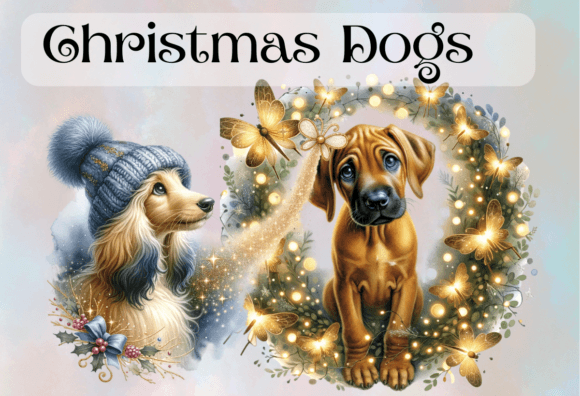
The immediate appeal of Christmas Dog Sublimation No 21 lies in its thematic clarity. It captures the whimsical yet cozy spirit of the holidays without relying on overly complex detailing that often causes stitching issues. The layout suggests a balanced composition, likely featuring a canine subject adorned with seasonal elements such as scarves, hats, or surrounding snowflakes. This visual personality is essential because it dictates the mood of the finished product. A design that feels too chaotic can overwhelm a garment, while one that is too sparse may lack impact. This particular illustration strikes a middle ground, offering enough detail to be engaging but maintaining clear shapes that are friendly to various hoop sizes.
When considering this as part of your design assets, think about the emotional response it triggers. Holiday embroidery is rarely just about decoration; it is about evoking nostalgia and warmth. If the lines in the preview appear clean and the contrast between the subject and background is distinct, it suggests that the digitizer has prioritized stitch clarity. This is a positive indicator for anyone looking to create high-quality handmade products that stand out in a crowded market.
Real-World Application: From Digital File to Finished Product
To truly test the versatility of Christmas Dog Sublimation No 21, I imagined several common scenarios where this design would be applied. One of the most promising uses is sweatshirt embroidery. A crewneck sweatshirt provides a stable, thick canvas that can handle moderate stitch density without puckering. Placing this design on the left chest or as a larger center-piece on the back could create a best-selling item for a small shop. The illustrative nature of the design means it likely relies on a mix of fill stitch for broader areas and satin stitch for outlines or text, which looks premium on fleece or cotton blends.
Another strong candidate for this design is a tote bag design. Canvas totes are popular holiday gifts, and a festive dog motif adds a playful touch to a utilitarian item. However, when moving to thinner fabrics, such as those used for baby embroidery items like onesies or burp cloths, caution is required. The weight of the threads must be balanced against the delicacy of the fabric. If the design is dense, it might pull on knit fabrics, requiring careful stabilization. For custom apparel like t-shirts, ensuring the design is not too heavy is key to maintaining comfort and drape.
I also considered its use in home decor, specifically pillow covers or kitchen towels. An embroidered patch created from this design could be ironed or sewn onto existing items, offering a low-risk way for crafters to test the market. This approach allows for experimentation with different thread colors and backgrounds without committing to full garment production immediately.
Navigating Technical Challenges and Fabric Constraints
While Christmas Dog Sublimation No 21 appears visually appealing, practical execution requires attention to technical details. One major consideration is the hoop size. If the design is intricate, it may require a 5x7 or larger hoop to maintain proportion. Attempting to shrink it down for a 4x4 hoop on a cap or small accessory could result in lost detail, particularly in the dog’s facial features or any accompanying text. Tiny elements often turn into bulky knots if the scale is reduced too far.
Fabric texture plays a significant role in the final outcome. On textured fabrics like terry cloth or wool, fine details can get lost. In such cases, using a contrasting underlay or opting for a simpler color palette might enhance visibility. Conversely, on smooth, dark fabrics, light-colored threads will pop, but you must ensure the digitizing includes adequate underlay stitches to prevent the fabric from showing through the gaps. For stretchy materials, a cut-away stabilizer is non-negotiable to prevent distortion after washing.
Curved surfaces, such as caps, present another challenge. If you plan to use this design for headwear, verify that the layout is suitable for curved hooping. Designs with large, solid fill areas can sometimes cause stiffness or warping on caps. A test run on scrap fabric is essential here. Additionally, if the design includes small lettering, check its legibility at the intended size. Poorly digitized small text can become unreadable blobs, diminishing the professionalism of the finished product.
Enhancing Brand Value and Customer Trust
For the Etsy seller or creative entrepreneur, the choice of design directly impacts brand perception. Using a well-balanced illustration like Christmas Dog Sublimation No 21 signals attention to detail. Customers are increasingly discerning; they can spot rushed or poorly executed embroidery. A clean, crisp stitch-out builds trust and encourages repeat business. Furthermore, holiday-themed items are often purchased as personalized gifts. If the design allows for easy integration of names or dates, its value increases significantly. However, always confirm licensing terms before adding custom text or selling items commercially.
Visual appeal also drives engagement on social media and online listings. A high-quality printable mockup or photo of the stitched design can attract more clicks. When the embroidery looks professional in photos, it validates the price point. Consistency in using high-quality digital embroidery file sources ensures that your small shop product line maintains a cohesive and professional look throughout the season.
Practical Notes for the Embroidery Designer
Before launching into production with Christmas Dog Sublimation No 21, I recommend a few critical steps. First, always stitch out a test sample on the exact fabric you intend to use. This reveals issues with tension, density, and color interaction that screens cannot show. Check the stitch density; if it feels too stiff, consider adjusting settings or using a lighter weight thread. Second, evaluate the color palette. While the preview might suggest specific colors, experimenting with traditional holiday reds and greens versus modern neutrals can help you identify which combination resonates best with your target audience.
Finally, verify the file formats provided. Ensure you have the correct format for your machine to avoid conversion errors that can alter stitch paths. Confirm the license allows for commercial embroidery if you plan to sell the finished items. By taking these precautions, you transform a simple digital asset into a reliable component of your craft business strategy. Whether for a holiday embroidery collection or year-round Illustrations category expansion, thoughtful evaluation ensures that Christmas Dog Sublimation No 21 delivers both aesthetic charm and technical reliability.