Reviewing Family Christmas Card for Holiday Stitching
As we approach the busiest season for handmade goods, the pressure to deliver high-quality, emotionally resonant products increases. I recently pulled up the Family Christmas Card design to evaluate its potential for my upcoming holiday collection. This isn’t just about downloading a file; it is about understanding how an Illustrations style graphic translates from a digital screen to actual thread on fabric. For embroidery designers, Etsy sellers, and craft business owners, the difference between a good design and a great finished product often lies in these pre-production assessments.
First Impressions and Visual Personality
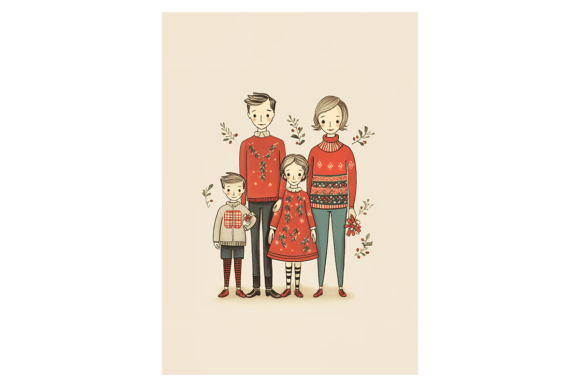
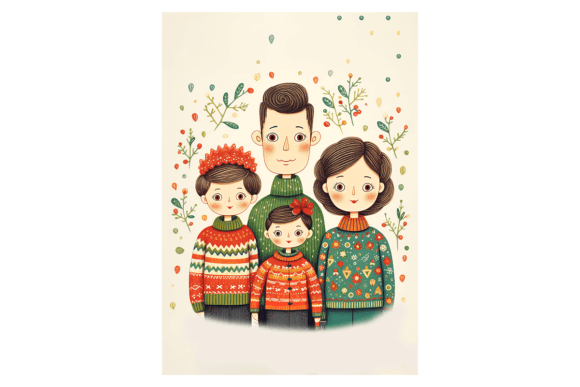
The first thing that strikes me about Family Christmas Card is its narrative quality. Unlike generic snowflakes or standard typography, this design carries a specific mood—warmth, nostalgia, and connection. The layout suggests a scene rather than a simple icon, which means it functions best as a focal point. When I zoomed in to inspect the lines, I looked for the clarity of the shapes. In the world of machine embroidery design, complex illustrations can sometimes become muddy if the stitch paths are not optimized. However, the visual personality here feels intentional, balancing detail with readability.
For those of us creating personalized gifts or boutique branding, the emotional hook is vital. A customer buying a custom apparel item or a home decor piece wants to feel something. This design delivers that initial spark. It feels like a memory captured in thread, which elevates it above standard clipart. The theme is universally recognizable, yet the execution allows for creative interpretation through thread colors and fabric choices.
Real-World Application: The Sweatshirt Test
To truly gauge the viability of Family Christmas Card, I mentally placed it on a heavyweight cotton fleece sweatshirt. This is a staple product for small shop merchandise during the holidays. The design’s scale seemed appropriate for a left-chest placement or a larger back print. On a textured fabric like fleece, fine details can get lost, so I paid close attention to the density of the proposed stitch areas.
If you are planning to use this as a sweatshirt embroidery piece, consider the contrast. A light-colored thread on a dark navy or forest green fleece would make the illustration pop, ensuring the story within the design remains clear. Conversely, using tonal threads might create a subtle, sophisticated look suitable for higher-end boutique products. The key is testing how the fill stitch interacts with the pile of the fabric. I recommend running a test stitch-out on scrap material identical to your final product to check for puckering or thread breaks.
Versatility Across Product Lines
Beyond apparel, this design shows promise for various handmade products. Imagine it stitched onto a canvas tote bag design. The durability of the stitch work would need to withstand regular use, making proper stabilizer selection critical. For a tote, a cut-away stabilizer would provide the necessary support to keep the illustration crisp over time. Similarly, this could serve as a charming embroidered patch for jackets or backpacks, adding a layer of customization that appeals to younger demographics or gift buyers looking for unique accessories.
For baby embroidery projects, such as a holiday onesie or a nursery blanket, the softness of the thread and the smoothness of the stitch finish are paramount. If the Family Christmas Card design includes dense satin stitch borders, ensure they are not too stiff against sensitive skin. Running stitch outlines might offer a softer, more delicate alternative for infant items, providing a hand-drawn aesthetic that complements the illustrative nature of the artwork.
Technical Considerations for Embroiderers
While the aesthetic appeal is strong, practical execution requires careful planning. One major consideration is the hoop size. Ensure that your machine’s maximum hoop capacity can accommodate the full width and height of the design without requiring re-hooping, which can lead to alignment issues. If the design is large, breaking it into sections is rarely advisable for illustrations, as it disrupts the visual flow. Instead, verify that your equipment can handle the dimensions in a single run.
Stitch density is another crucial factor. High-density fills can cause fabric distortion, especially on lighter materials like tea towels or thin cotton shirts. If you are working with delicate fabrics, consider using a water-soluble topping to prevent the stitches from sinking into the weave. This is particularly important for maintaining the clarity of small details within the illustration. Without a topping, the texture of the fabric might obscure finer elements of the Family Christmas Card design, reducing its impact.
Thread color selection can make or break the final look. Since this is an illustration, it likely relies on shading and depth. Do not assume the default color map in your embroidery software is perfect. Take the time to adjust thread colors to match your brand palette or the specific garment you are decorating. Testing the design in black and white mockups can also help you understand the value structure—ensuring that the light and dark areas provide enough contrast to be legible from a distance.
Navigating Challenges and Limitations
No design is universal, and Family Christmas Card has its limitations. It may not be suitable for very small hoop sizes where intricate details would merge into a blob of thread. Avoid using this on highly stretchy fabrics without extensive stabilization, as the movement of the fabric during wear could cause the stitches to gap or break. Additionally, curved surfaces like caps require specialized digitizing adjustments. If the design was not originally digitized for hats, attempting to stitch it on a cap could result in distortion unless you have advanced skills in editing embroidery files.
Dark fabrics present another challenge. If the design relies on light-colored threads for highlights, ensure you use a high-quality underlay to prevent the background fabric from showing through. This affects the professionalism of the finished product. Customers associate clean, opaque stitching with high value, while visible backing or uneven coverage can detract from the perceived quality of your handmade product.
Commercial Viability and Brand Consistency
For Etsy sellers and commercial embroidery professionals, the licensing terms of any digital embroidery file are non-negotiable. Before listing items featuring Family Christmas Card for sale, confirm that the license permits commercial use. Some designers allow unlimited physical sales, while others may have restrictions on volume or require attribution. Protecting your craft business means respecting intellectual property and ensuring you are compliant with all usage rights.
From a branding perspective, this design fits well within a cohesive holiday collection. It can be paired with complementary motifs to create a series of products, enhancing brand recognition. Whether used for wedding gifts, corporate holiday presents, or personal keepsakes, the design’s ability to convey emotion adds value. It transforms a simple item into a memorable keepsake, encouraging buyer engagement and positive reviews.
Final Verdict and Practical Steps
In conclusion, Family Christmas Card is a strong contender for your holiday production line, provided you approach it with technical diligence. It offers a blend of artistic charm and commercial appeal that resonates with today’s consumers who value authenticity and craftsmanship. To maximize its potential, start by stitching a sample on your intended fabric. Check the tension, trim any jumps carefully, and assess the overall balance. Use this design to tell a story, whether on a cozy apron, a festive pillow cover, or a custom gift tag. By paying attention to the details of stitch density, fabric texture, and thread choice, you can ensure that every finished product reflects the high standards of your creative enterprise.
Remember, the best embroidery projects are those where the technology serves the art. Let the Family Christmas Card design inspire your next creation, but let your expertise guide its execution. Happy stitching.