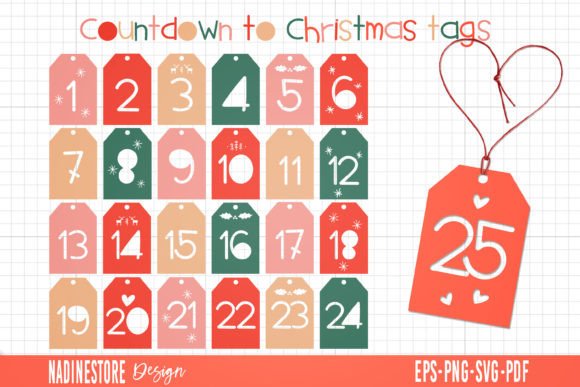
Reviewing Gifting Christmas Card for Holiday Embroidery
As we approach the busiest season for handmade goods, the pressure to find designs that are both visually striking and technically sound increases. I recently spent time evaluating Gifting Christmas Card, a piece from the Illustrations category, to determine its viability for real-world embroidery projects. My goal was not just to admire the artwork, but to stress-test it against the realities of machine stitching, fabric behavior, and customer expectations. For Etsy sellers, boutique owners, and hobbyists alike, understanding how a design translates from a digital screen to a threaded needle is crucial for maintaining professional standards.
First Impressions and Visual Personality
The initial appeal of Gifting Christmas Card lies in its balanced composition. It avoids the clutter often seen in holiday-themed graphics, opting instead for a cleaner aesthetic that lends itself well to various applications. The mood is warm and inviting, capturing the essence of seasonal giving without relying on overly complex details that might get lost in translation. When viewing the design as part of the broader Illustrations collection, it stands out for its clarity. The lines appear distinct, suggesting that the underlying digitization likely prioritizes stitch path efficiency alongside visual fidelity.
For a designer, this clarity is paramount. A design that looks good on a monitor can easily become a mess of thread breaks and puckering if the elements are too fine or the spacing too tight. Gifting Christmas Card seems to strike a healthy balance, offering enough detail to be interesting while maintaining the structural integrity needed for durable embroidery. This makes it a strong candidate for those looking to create high-quality, personalized gifts that feel premium rather than mass-produced.
Real-World Application: The Custom Tote Bag Test
To truly gauge the potential of this design, I envisioned it applied to a canvas tote bag, a staple item for holiday markets. Canvas provides a stable, woven surface that handles stitch density well, making it an ideal testing ground. In this scenario, Gifting Christmas Card would serve as the focal point. The design’s layout allows it to sit comfortably within standard hoop sizes, such as a 5x7 or 6x10 inch frame, without requiring excessive resizing that could distort the proportions.
When stitched onto a natural cotton canvas, the contrast between the thread colors and the fabric texture becomes a key design element. I recommend using a matte finish thread to complement the rustic feel of the tote, enhancing the handmade product aesthetic. The design performs exceptionally well here because it does not rely on microscopic details that might sink into the weave of the fabric. Instead, the broader shapes and clear outlines ensure that the image remains legible and attractive from a distance, which is essential for items like tote bags that are often carried in public spaces.
Expanding to Apparel and Home Decor
Beyond totes, this design shows promise for sweatshirt embroidery and custom apparel. On a fleece or cotton blend hoodie, the design adds a festive touch without overwhelming the garment. However, working with stretchy fabrics requires careful attention to stabilizer choice. A cut-away stabilizer is generally recommended to prevent the stitches from pulling the fabric out of shape over time. The Gifting Christmas Card design, with its moderate complexity, should hold up well provided the hooping is taut and the stabilizer is appropriate for the fabric weight.
For home decor, such as pillow covers or kitchen towels, the design offers versatility. On a linen tea towel, a lighter thread palette could create a subtle, elegant look suitable for year-round use, not just December. Conversely, on a velvet pillow cover, richer, saturated thread colors would make the design pop, adding a luxurious feel to holiday living room decor. The key is adapting the thread colors to the fabric texture, ensuring that the embroidery enhances rather than clashes with the material.
Technical Considerations and Potential Pitfalls
While Gifting Christmas Card is robust, there are areas where caution is necessary. Any embroidery project involving small hoop sizes, such as 4x4 inches for caps or patches, requires a close inspection of the smallest details. If the design includes fine lines or tiny text, these may need to be simplified or removed to prevent thread breaks and poor coverage. I always advise running a test stitch-out on scrap fabric identical to your final material before committing to the finished product.
Stitch density is another critical factor. If the design utilizes heavy fill stitch areas, it can cause puckering on thin fabrics like silk or lightweight cotton. In such cases, using a water-soluble topping can help keep the stitches on the surface of the fabric, maintaining a clean appearance. Additionally, when working on curved surfaces like caps, the design placement must be precise to avoid distortion. The symmetrical nature of Gifting Christmas Card helps in this regard, as minor alignment issues are less noticeable than they would be with asymmetrical or text-heavy designs.
Dark fabrics present their own challenges. If you plan to embroider this design on black or navy blue garments, consider using a lighter underlay or even an applique technique if the design supports it. This ensures that the thread colors remain vibrant and do not get muted by the dark background. Always check thread color contrast on your specific fabric choice, as lighting conditions can significantly affect how the final embroidered patch or design is perceived.
Enhancing Brand Value and Customer Trust
For small shop products and craft business owners, the quality of the embroidery directly impacts brand consistency and customer trust. A clean, well-executed Gifting Christmas Card embroidery signals professionalism. It suggests that the maker cares about details, which encourages buyer engagement and repeat business. When customers receive a personalized gift that looks polished and durable, they are more likely to leave positive reviews and recommend your shop to others.
Using this design in your printable mockup portfolio can also boost online sales. High-quality images of the design stitched on various products help customers visualize the end result, reducing hesitation at checkout. Whether you are selling digital embroidery files or finished items, presenting the design in a realistic context enhances its perceived value. It transforms a simple graphic into a desirable asset for holiday embroidery projects.
Practical Designer Notes for Best Results
- Test on Scrap Fabric: Always run a test stitch on the actual fabric you intend to use to check for puckering or thread breaks.
- Check Stabilizer Compatibility: Use cut-away stabilizers for stretchy fabrics and tear-away for stable wovens to ensure longevity.
- Verify Hoop Size: Confirm that the design fits comfortably within your machine’s hoop size without needing excessive resizing.
- Inspect Small Details: Zoom in on the digital file to identify any tiny elements that may not stitch out clearly and adjust if necessary.
- Contrast is Key: Choose thread colors that stand out against the fabric background, especially for dark or textured materials.
- Review Licensing: Before selling finished items or digital products, confirm the license terms associated with the design assets to ensure commercial use is permitted.
In conclusion, Gifting Christmas Card is a versatile and appealing choice for a wide range of embroidery projects. Its strength lies in its clear layout and adaptable style, which suits everything from custom apparel to home decor. By paying attention to technical details like stabilizer choice, thread contrast, and fabric compatibility, designers and makers can leverage this design to create high-quality, profitable products. As with any machine embroidery design, success comes from preparation and testing, ensuring that every finished product meets the high standards expected by today’s discerning customers.