Reviewing the Christmas Sleigh with Teckel Design
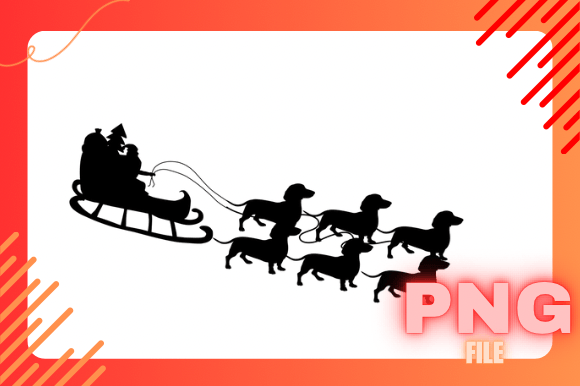
As a designer who spends more time staring at stitch simulations than actual fabric, I have learned that not every cute graphic translates well into thread. When I first pulled up the Christmas Sleigh with Teckel file on my screen, my initial reaction was one of cautious optimism. The charm is undeniable. There is a specific warmth to holiday imagery that features animals, and the silhouette of a dachshund—often affectionately called a teckel—adds a layer of whimsical personality that resonates deeply with modern crafters. However, charm alone does not make a viable machine embroidery design. We need to look at how this illustration behaves under the needle.
The visual personality of this piece leans heavily into the nostalgic side of holiday decor. It feels less like a corporate greeting card and more like a storybook illustration. For those of us running a craft business or selling on platforms like Etsy, this distinction matters. Customers are increasingly drawn to items that feel handmade and personal rather than mass-produced. This design fits squarely into that aesthetic. It suggests a cozy evening by the fire, making it an ideal candidate for home goods and comfortable apparel.
Real-World Application: The Holiday Tote Bag Test
To truly evaluate the potential of this embroidery file, I imagined a specific project: a heavy canvas tote bag intended for holiday gift-giving. This is a staple small shop product during the fourth quarter. The question is whether the Christmas Sleigh with Teckel holds its own on a textured, neutral background.
In this scenario, the layout of the design is crucial. The sleigh provides a strong horizontal base, while the teckel adds vertical interest. This balance prevents the design from looking lopsided when centered on a bag. If you are creating a personalized gift, this composition leaves ample negative space above or below the main motif for adding a name or a short phrase like "Happy Holidays." However, caution is advised here. Adding text requires careful consideration of font weight. A delicate script might get lost against the detailed lines of the sleigh, whereas a bold serif could overpower the playful nature of the dog. I recommend keeping any additional lettering simple and ensuring it does not compete with the primary Illustrations elements.
When considering thread colors, this design offers flexibility. On a natural canvas tote, traditional reds and greens will pop, creating a classic look. Alternatively, using monochromatic tones—such as varying shades of cream, gold, and brown—can create a sophisticated, understated vibe that appeals to buyers looking for modern holiday decor. The key is contrast. Ensure your thread choice distinguishes the teckel from the sleigh clearly, so the details do not blend into a muddy mess from a distance.
Performance on Apparel and Textured Fabrics
Moving beyond bags, let’s discuss custom apparel. A fleece sweatshirt is a popular vehicle for holiday designs. Here, the stitch density of the Christmas Sleigh with Teckel becomes a critical factor. If the design relies heavily on dense fill stitch areas, it can make the fabric stiff and uncomfortable to wear. Conversely, if it utilizes too many running stitch outlines without adequate backing, the design may sink into the pile of the fleece, losing definition.
For sweatshirts and hoodies, I always advise using a cut-away stabilizer to support the weight of the stitches. This is especially important for the wheels of the sleigh and the body of the teckel. If these areas are too dense, they may pucker the fabric. If they are too light, they may not cover the garment color effectively. Testing on scrap fabric is non-negotiable. You need to see how the satins stitch edges hold up against the texture of the fleece. If the design includes fine details, such as the reins of the sleigh or the facial features of the dog, ensure they are thick enough to survive the washing machine. Delicate lines often break or fray after just a few cycles, leading to customer dissatisfaction.
For baby embroidery projects, such as onesies or burp cloths, the same principles apply but with higher stakes. Babies have sensitive skin, so the back of the embroidery must be clean. Use a soft tear-away or wash-away stabilizer to minimize irritation. Additionally, avoid placing the design where it might rub against the baby’s chin or hands. The playful nature of the teckel makes it a hit for nursery items, but durability and comfort are paramount.
Navigating Technical Challenges
No design is perfect for every application. There are specific scenarios where you should approach the Christmas Sleigh with Teckel with care. Small hoop sizes, such as 4x4 inches, may require scaling down the design. Be wary of this. Shrinking an intricate illustration can cause stitch overlap issues, where the needle perforates the same hole multiple times, leading to thread breaks and bird nests. Always check the minimum recommended hoop size provided with the digital embroidery file.
Curved surfaces, like baseball caps, present another challenge. The flat perspective of the sleigh may distort when stitched onto a curved panel. If you plan to use this for headwear, consider digitizing adjustments or choosing a simpler version of the design if available. Similarly, dark fabrics require careful planning. If the design does not include an underlay or satin border to cover the background fabric, you might see the dark cloth peeking through lighter thread colors. Using a matching top-stitch bobbin thread can help mitigate this issue.
Another consideration is the type of fabric. Stretchy knits require significant stabilization. Without it, the tension of the embroidery can cause the garment to warp. For thin fabrics like silk or lightweight cotton, use a sheer stabilizer to prevent the stitches from pulling the material out of shape. The goal is to maintain the integrity of both the design and the garment.
Enhancing Brand Value and Customer Trust
From a business perspective, the quality of your embroidery directly impacts your brand reputation. A well-executed Christmas Sleigh with Teckel design signals professionalism. It shows that you care about detail and durability. This builds trust with your customers, encouraging repeat business and positive reviews. When you present a finished product that looks crisp and clean, you justify a higher price point.
Use high-quality printable mockup images to showcase the design before it is stitched. This helps customers visualize the final item and reduces the likelihood of returns due to mismatched expectations. Highlight the unique aspects of the design, such as the playful expression of the teckel or the intricate details of the sleigh. These selling points differentiate your handmade product from generic alternatives.
Finally, always verify the licensing terms. Whether you are creating items for your own Etsy seller store or for a local boutique, ensure you have the right to use the design commercially. Respect for intellectual property is a cornerstone of the creative community. By adhering to license agreements, you protect your business and support the designers who create these valuable assets.
In conclusion, the Christmas Sleigh with Teckel is a versatile and charming addition to your holiday collection. With proper testing, attention to stabilizer choice, and thoughtful placement, it can elevate a wide range of products from simple tote bags to premium apparel. Treat it with the respect it deserves, and it will serve your business well.